
Betty Conroy, PT
When I began my MTY journey during the onsite M8 module, I was hopeful to learn how to integrate my passion for yoga into patient treatments and to gain competence in teaching yoga classes....

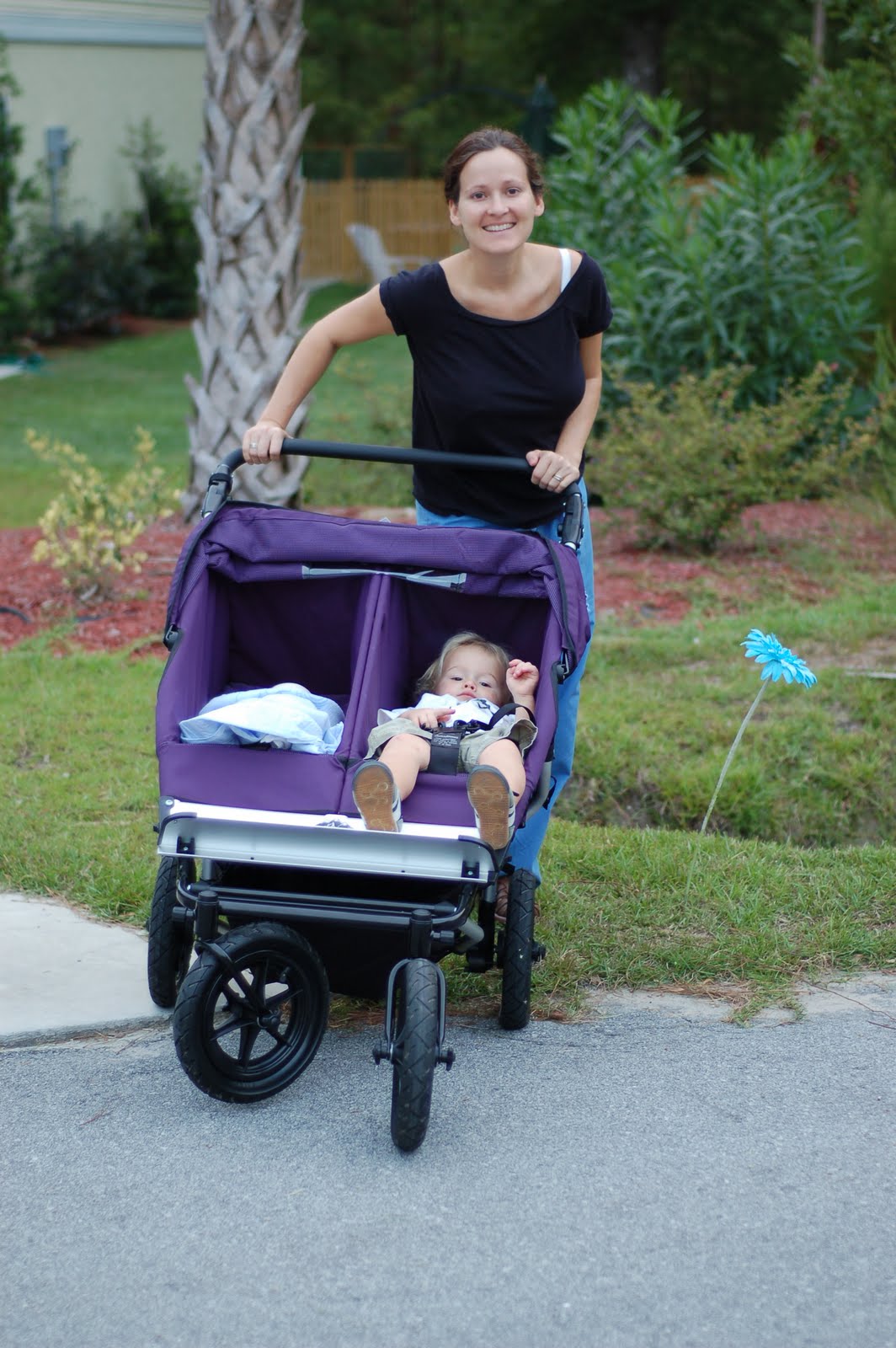
A new mom from the San Francisco Bay area recently emailed me a question about back pain related to pushing her newborn in a stroller.
Rebecca* writes:
Q: Ginger, I had low back pain prior to and during pregnancy, and since his birth I have been trying to get back in shape. But my back pain prevents me from even pushing my son in his stroller. What can I do?
A: Dear Rebecca,
Back pain during and after pregnancy is common due to physiological and hormonal changes, as well as stretch weakness of the abdominals and pelvic floor and ligamentous laxity (an unfortunately natural result of pregnancy). Almost 50% of all women who experience low back pain in pregnancy still struggle with it 6 months after giving birth.
Postpartum back pain can affect quality of life and your ability to even care for your newborn and yourself. For women with pre-pregnancy back pain, the problem is compounded by the existing injury and/or weakness in the muscles which are responsible for stabilizing the spine.
The group of muscles responsible for stabilizing the back is known as the cylinder. Although the concept was first explored in the 1970’s, it was not until the work of physiotherapists in the early 90’s that the cylinder concept was defined.
So, what does this mean for new moms who are experiencing low back pain?

Like many of you, in my own pregnancies I also experienced back pain. The difference was, as a women’s health PT, I recognized the source of my pain and knew what I needed to do to fix it.
These are my tips for enjoying stroller walks with your little one:
1. Pace yourself and avoid downhill “pushing” as well. Early on, I had my husband push the stroller up (and down!) the hills – large and small – until I knew my core was strong enough to take them on. I would push the stroller on the flat terrain in order to build strength and endurance.
2. Avoid hilly neighborhoods when you are walking (easier said than done in San Fran). If you cannot avoid them, then take the stroller to a park and enjoy a short (flat) walk there.
3. Don’t over do it. The little strength you do have in your cylinder/core is quickly exhausted. Taking an extra long walk means you might be walking without a stable spine. I started with 15-20 minute walks around my block and progressed to 2-3 mile walks over a period of 3-4 months. I finally reached a point where I had no instability or pain in my spine. You can too!
Finally, recognize signs of strain. Pain or clicking noises in the back or sacrum, numbness, tingling, or weakness in the legs, diastasis recti, or urine leakage are all warning signs of over exertion. Work with your physician, midwife, and/or physical therapist to make sure you are taking care of the one and only spine you have – for a lifetime.
*name changed to protect privacy
**photo is of me testing out our new stroller after the birth of our second son
More Good News: I have an upcoming book, Pocket Guide to Self-Treating Your Low Back Pain, to be published in late spring. It will include a comprehensive medical yoga program for strengthening your cylinder. Please join this blog today to receive news of its publication release date.
[/et_bloom_locked]When I began my MTY journey during the onsite M8 module, I was hopeful to learn how to integrate my passion for yoga into patient treatments and to gain competence in teaching yoga classes....

Body Temple PT, a Whole Person Approach to Healing Liz Gillem Duncanson PT, MPT, ATC, CSCS, PYT is a practicing physical therapist in Oakland, California. She is a proud graduate of the Professional...

MTY is specifically different from traditional yoga programs in its clinical reasoning aspect. Clinical reasoning is taught in entry level PT programs and in PT continuing education courses and in...