Keep “Balance” In Your Life
I am still on medical leave, but while I am gone, please continue to enjoy the wonderful guest posts from BITL contributing authors. BITL Founder Ginger Garner during her first pregnancy way back...

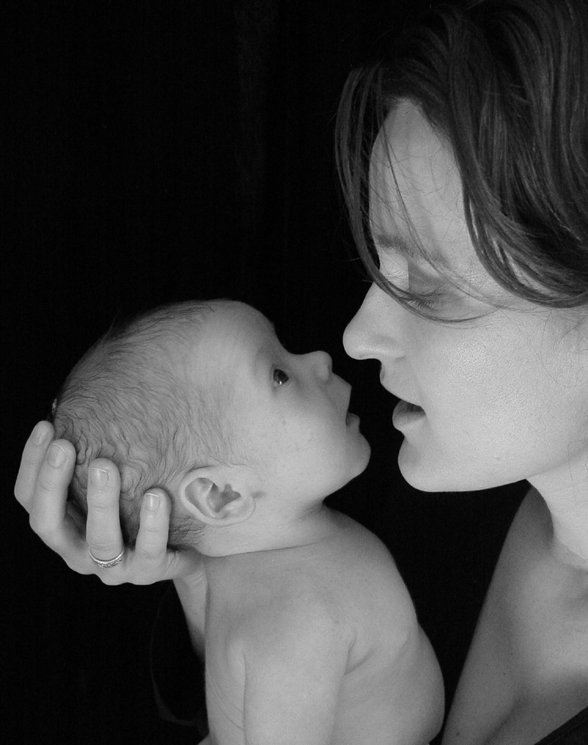 |
| Music has saved my life,over and over again. Photo taken in 2006, singing to my firstborn. |
Studies have, for a long time, shown that deep breathing, mental imagery, deep massage or acupressure, and the presence of a constant companion or coach during labor can ease labor pains, making the miracle of birth more, well, enjoyable.
During the birth of my two sons, and with another one due to arrive in June, I have (and will) use all of these methods for pain management during labor. However, that is not all I will use.
With both of my previous labors, each vastly different, I used one, well, two other tactics – both of which played a very important role and were equally effective in helping manage pain.
One is yoga, but that is a topic that will take an entire book to address. In fact, I am working on that book now. The other tactic – the remaining secret weapon in my arsenal of labor pain management methods is – music.
Perinatal Nursing supports that music can be an effective means for managing both pain and stress during labor. Using music during childbirth, in a 2000 study, shows the planned use of music by mothers during labor has a significant effect on their perception of pain.
In the months before my sons were born, I started designing my “Birth Soundtrack.” When the big day came – wafting from my labor room, like a sweet breeze, were the sounds of designer music. Sounds that both soothed and motivated me to work diligently and gracefully toward delivering my sons into this word. I called on it all – from Sam Cooke to Patty Griffin to Gabriel Yared – from the genres of soothing soul to inspirational folk to contemplative classical.
What is designer music? In the industry, it is known as music that is selected to have a specific effect on the listener. And it is proven more effective than listening to just any music. I teach music and sound as therapy as an educator, so for each of my labors I designed my own music. But guess what? You don’t need special training – with a few tips in my guide (an excerpt from my text on Using Music for Therapeutic Benefit) and those listed below, you can design your own music too.
Designing Your Birth Soundtrack
Here are a few guidelines that I give to expectant mothers and other patients who use music for pain or stress relief:
But more than just laboring women, everyone can benefit from using music prior to, during, or after medical care. Scientific sources supporting therapeutic benefit of music are numerous – and have been proven in children, open heart surgery patients, cancer patients, pre-operative patients, women waiting on surgical procedures or testing such as mammography, and the list goes on. Get a full list here
Take advantage of the instant healing effects of music. Learn more about how different instruments create different moods and physical states in your body – and how you can choose music not just to listen to – but to heal you.
I am still on medical leave, but while I am gone, please continue to enjoy the wonderful guest posts from BITL contributing authors. BITL Founder Ginger Garner during her first pregnancy way back...
I am on maternity leave a little longer, so please enjoy today's post from my October publication in Yang Sheng magazine. Empowering Women in an Age of Illness, Part Two
I wrote the original post, which was published while I was on maternity leave in September 2011. To see the archived post, see the link at Yang Sheng magazine. Women’s Empowerment in an Age of...